A considered guide to infant sleep essentials
How to Choose a Naturepedic Crib Mattress: Fit, Firmness, and Materials
The right crib mattress is not simply a matter of choosing a material or a label. Start with a precise fit and a firm, flat surface designed for the crib; then consider construction, care, and the practical realities of daily use. Here is how to compare Naturepedic crib mattress options with clarity and care.
Published October 14, 2026
Preparing a nursery invites a particular kind of attention. Every choice seems to carry both a design question and a practical one: what feels beautiful, what lasts, and what makes everyday care easier? When it comes to a crib mattress, those considerations matter—but the order matters more. Before weighing organic fabrics, waterproof layers, or construction details, confirm that the mattress is appropriate for the specific crib and fits it correctly.
A crib mattress should rest flat and fit snugly, with no concerning gaps along the sides. It should also provide a firm, flat sleep surface, rather than the plush, yielding feel adults may associate with comfort. These are foundational considerations when creating an infant sleep space. From there, the decision becomes more personal: which materials suit your household’s preferences, how much cleaning flexibility you need, and whether the mattress’s weight or waterproofing affects routine use.
This guide offers a practical framework for evaluating Naturepedic crib mattresses and other organic crib mattresses. It is not a substitute for the crib manufacturer’s instructions, current safe-sleep guidance, or a pediatric professional’s advice. Instead, it helps organize the questions to ask before selecting a mattress and preparing the crib.
Begin with the crib, not the product description
Mattress shopping often begins with browsing a product page. For a crib, a better first step is to locate the crib’s manual and identify the mattress size and specifications the manufacturer requires. Cribs can have different dimensions, and a mattress described as “standard” should not be assumed to fit every model. The crib’s stated requirements are the reference point.
Measure only if the manufacturer’s instructions call for it or if you need to verify a specification. Follow the method in the manual, and compare the mattress dimensions with the crib’s interior dimensions. Numbers on a listing are useful, but they are not a substitute for checking the fit in the actual crib. A mattress that is too large may not lie flat or may be difficult to position correctly; one that is too small can leave gaps at the edges.
After placing the mattress, check the perimeter carefully. It should sit level and snugly within the frame, without an open space that could create a hazard. Do not attempt to solve a poor fit with rolled towels, extra padding, or improvised inserts. If the mattress does not fit the crib as intended, pause and confirm compatibility with the crib manufacturer before use.
Fit is not a detail to revisit only at purchase. Recheck the mattress when changing its height, moving the crib, or replacing any component. As a child grows and becomes more active, follow the crib manufacturer’s instructions on mattress support positions and limits. Keep the mattress, support, and crib configuration consistent with the manual.
Why a firm, flat surface matters
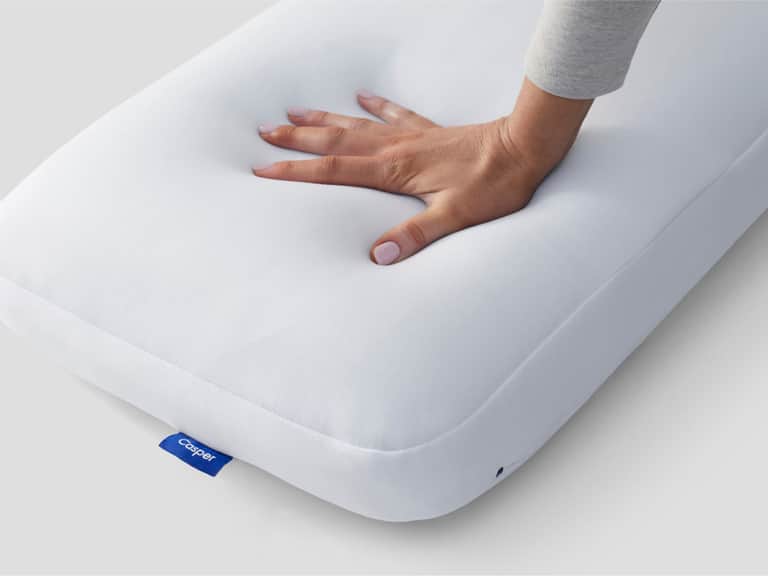
Adult comfort is often described through softness, cushioning, and contouring. Infant sleep surfaces are different. A crib mattress should be firm and flat, with a snug-fitting sheet and no loose bedding or additional soft items in the sleep space. A mattress that feels plush to an adult’s hand is not necessarily the right choice for an infant.
When comparing products, look for clear information that the mattress is intended for the crib or infant sleep use you have in mind. Read the manufacturer’s instructions rather than relying on words such as “natural,” “premium,” or “luxurious,” which speak to brand positioning but do not establish suitability. Construction details may help you understand what is inside the mattress, but they should not distract from firmness, flatness, and proper fit.
A mattress topper or extra cushioning should not be used to soften, adjust, or customize an infant’s sleep surface unless the crib and mattress manufacturers explicitly permit the accessory for that use and it is consistent with current safe-sleep recommendations. In particular, adult comfort add-ons should not be treated as a way to make an infant mattress more suitable.
For questions about an individual child’s needs or a mattress’s suitability, consult a pediatric professional and the product manufacturer. The safest choice is not the one with the most elaborate description; it is the one that fits the crib correctly and is used according to the relevant instructions.
How to compare Naturepedic crib mattress materials
Naturepedic options may appeal to families researching organic crib mattresses and the materials used in nursery products. Material information can be useful, but it should be read with precision. A product may include organic cotton, a waterproof layer, or other components, and each feature has a different practical role. “Organic” describes a material or certification claim; it does not, by itself, tell you whether a mattress fits your crib, how firm it is, or how it should be cleaned.
Start by reviewing the complete construction description. Identify the cover fabric, the core or support materials, any moisture barrier, and whether components are enclosed or removable. If a listing provides certifications, check what the certification applies to and which organization issued it. Avoid assuming that a certification covers every part of a mattress unless the documentation says so.
For families who prioritize organic textiles, cotton may be an important part of the comparison. Look for the specific material description and any relevant certification details. Consider how the surface feels and how the cover is maintained, but keep the principal selection criteria in view: crib compatibility, a firm and flat surface, and instructions that fit your household’s routine.
Waterproofing is another practical point. Infants can create frequent laundry needs, and a moisture-resistant surface may make cleanup more manageable. Products differ, however, in how the waterproof layer is constructed and how the mattress should be wiped or washed. Confirm that the method is approved by the manufacturer. Avoid soaking a mattress or using cleaners that the care instructions do not allow.
Natural-material claims can also invite assumptions about performance. A material’s origin does not automatically determine firmness, ease of cleaning, or durability. Treat each as a separate question, and base comparisons on verifiable construction and care details rather than on broad impressions.
The details that make daily care easier
Care instructions deserve attention before a mattress arrives in the nursery. Some mattresses are designed to be wiped clean, while others may have a cover or component with specific washing instructions. A product that looks low-maintenance in a brief description may still require careful handling, particular cleaning products, or time to dry thoroughly.
Read the full care guidance and consider the tasks you are likely to repeat. Ask whether surface spills can be wiped away, whether the mattress must remain in its cover, and whether any parts can be removed. Check how the manufacturer recommends dealing with moisture and whether the mattress needs to be aired before use after cleaning. Follow those directions rather than relying on general advice intended for a different mattress construction.
Weight can also affect everyday handling. A heavier mattress may feel substantial and may be more difficult to lift when changing sheets or cleaning the crib. If you expect to move it often, compare the listed weight and dimensions, if available. These details do not outweigh fit or firmness, but they can make routine nursery care more comfortable for the household.
Durability is best assessed through the warranty terms, the stated construction, and the manufacturer’s care and use instructions. A long warranty does not mean that a product is indestructible or that every issue is covered. Read the exclusions and requirements, and keep purchase and care documentation. If the mattress becomes damaged, misshapen, or no longer lies flat, contact the manufacturer for guidance before continuing to use it.
A thoughtful comparison checklist
When product pages begin to blur together, use a short checklist to bring the decision back to essentials. Compare each candidate against the same questions, rather than letting a single feature dominate the choice.
- Crib compatibility: Does the mattress meet the crib manufacturer’s specified dimensions and requirements?
- Fit: Does it sit flat and snugly, without gaps at the edges?
- Firmness and shape: Is it designed as a firm, flat infant sleep surface, and does it maintain that shape when properly installed?
- Construction: Are the cover, core, and any waterproof layer described clearly?
- Materials: Are material claims specific, and are any certifications explained rather than merely implied?
- Cleaning: Are the care instructions clear and realistic for your household?
- Handling: Can you manage the mattress’s weight and routine sheet changes comfortably?
- Documentation: Can you find the manual, warranty, and customer-service information?
This approach makes room for preference without confusing preference with safety. One family may value organic cotton or a particular waterproofing method; another may prioritize straightforward cleaning or lighter weight. Both can make considered choices, provided the mattress is compatible with the crib and meets the basic requirements for a firm, flat, snug-fitting infant sleep surface.
Naturepedic crib mattress questions to resolve before buying
Is an organic crib mattress automatically the safest option?
“Organic” describes a material or production claim; it does not automatically establish fit, firmness, or suitability for a particular crib. Evaluate those essentials separately, then consider material preferences and certifications. The product must still be used according to the crib and mattress manufacturers’ instructions.
Can I choose based on the mattress’s feel in a showroom?
A showroom impression can tell you something about the surface, but adult hands are not a reliable measure of infant sleep suitability. Confirm the product’s intended use and technical details. A mattress should be firm and flat for infant sleep; a soft or pillow-like feel should not be treated as an advantage.
Should I buy a protector or pad with the mattress?
First review the mattress manufacturer’s recommendations and current safe-sleep guidance. Any accessory must be compatible with the mattress and crib, fit securely, and be approved for the intended use. Do not add loose, padded, or improvised layers to alter the sleep surface. A product description for a separate pad does not establish that it is appropriate for an infant crib.
What if the mattress seems to fit but leaves a small gap?
Do not dismiss a gap or try to fill it yourself. Recheck the crib’s instructions and mattress specifications, then contact the crib or mattress manufacturer to confirm compatibility. Use the setup only when the fit is correct and the mattress lies flat as intended.
Does waterproofing affect comfort or cleaning?
Waterproof constructions vary. Some aim to keep moisture from reaching the core, while others may have specific wiping or drying instructions. Read the product details and care label to understand the design. Do not assume that all waterproof layers can be machine-washed or treated with the same cleaners.
A calm, practical way to make the choice
Choosing a crib mattress is less about finding a perfect-sounding list of features and more about making a sequence of sensible decisions. Confirm the crib’s requirements. Verify dimensions and fit. Prioritize a firm, flat surface made for infant sleep. Then compare materials, waterproofing, weight, and care instructions in light of your household’s needs.
For Naturepedic crib mattresses, as for any nursery sleep product, make sure the information you rely on is current and specific to the model you are considering. Product names, construction, sizing, and care guidance can vary between models and may change over time. The manufacturer’s instructions and the crib manual should guide setup and maintenance.
A well-prepared nursery does not need to be complicated. A correctly fitting mattress, a properly assembled crib, and a simple sleep space can provide a more useful foundation than an accumulation of accessories. Let function lead, let material preferences refine the decision, and ask the manufacturer or a qualified pediatric professional when a question remains unresolved.
Final checklist before first use
- Confirm that the crib is assembled according to its manual.
- Check that the mattress matches the crib manufacturer’s specifications.
- Verify that the mattress lies flat and fits snugly at the edges.
- Follow the mattress instructions for cleaning and care.
- Use only bedding and accessories that are appropriate, securely fitted, and consistent with current safe-sleep guidance.
- Keep the product documentation available for future questions about use, cleaning, or warranty coverage.
The most considered choice is the one that balances household preferences with clear, practical requirements. When fit, firmness, and care are addressed first, comparing materials becomes a more informed—and far less overwhelming—part of preparing a child’s room.